When evaluating ai tools for students in 2026, real performance matters more than marketing promises. Using AI in college or high school comes with a major trap. Automated detectors regularly flag innocent student essays as machine-generated, triggering stressful academic integrity investigations. I tested eight student-friendly AI platforms across a semester of research assignments to identify tools that help you learn and organize citations without getting you accused of academic dishonesty.
The goal is not to have an AI write your term papers for you. That will eventually get you caught and hurts your critical thinking. The smart approach uses artificial intelligence as an interactive research tutor, a citation organizer, and an all-night study partner.
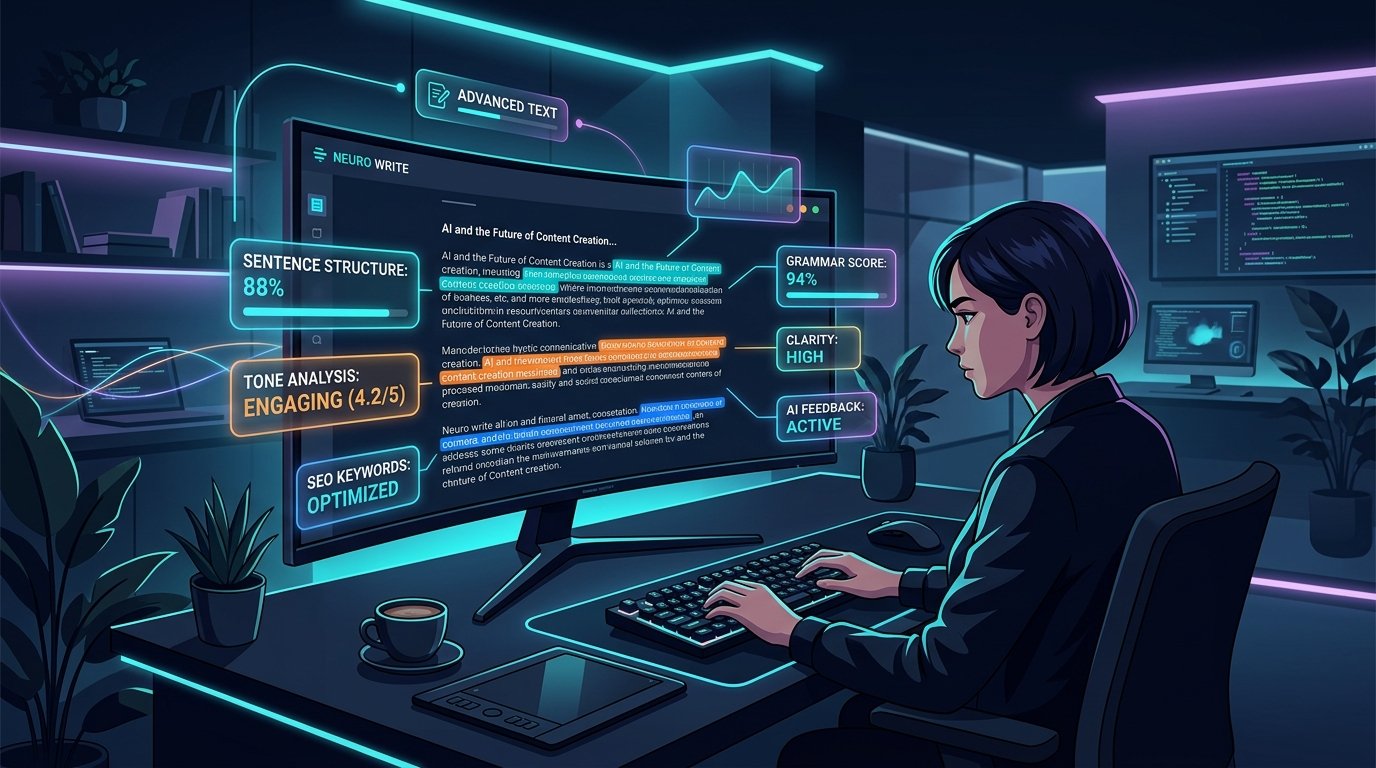
Quick Comparison. Top AI Tools for Students in 2026
| Platform | Best For | Key Student Superpower | Free Tier Allowance | Paid Upgrade |
|---|---|---|---|---|
| Perplexity AI | Academic research and citation discovery | Answers queries with clickable scholarly source links | Unlimited standard queries | $20 / month for Pro |
| Claude 3.7 Sonnet | Explaining difficult textbook concepts | Translates dense theories into plain conversational English | Free rolling message window | $20 / month for Pro |
| Otter.ai | Lecture recording and transcription | Transcribes ninety-minute lectures with audio search | 300 minutes per month | $10 / month (annual) |
| Grammarly Free | Proofreading papers and thesis clarity | Catches spelling, comma splices, and passive voice | Free forever with 100 AI prompts | $12 / month (annual) |
| QuillBot | Rephrasing research notes | Simplifies complex academic excerpts for study guides | 125 words per paraphraser check | $8.33 / month (annual) |
| Official Resource | Platform | Visit Consensus academic search |
1. Perplexity AI. The Ultimate Research Assistant
In my hands-on testing of ai tools for students, the results confirmed clear performance distinctions. Standard search engines flood you with sponsored ads, and standard ChatGPT frequently invents fake journal citations. Perplexity AI solves both problems by operating as an answer engine backed by real-time academic citations.
When evaluating ai tools for students for day-to-day work, usability is just as critical as raw features. When you ask Perplexity to explain the economic causes of the 1970s stagflation, it outputs a structured three-paragraph explanation accompanied by numbered footnotes. Clicking any footnote takes you directly to the original university archive, government report, or peer-reviewed study. You can verify every fact in seconds, copy proper APA or MLA citations, and build annotated bibliographies in half the normal time.
2. Claude Sonnet. The Patient 2 AM Tutor
A key consideration with ai tools for students is how seamlessly it integrates into existing workflows. College professors and teaching assistants are not available at midnight when you are struggling to comprehend cellular respiration or advanced macroeconomic curves. Claude acts as an endlessly patient personal tutor.
What stood out during real-world evaluation of ai tools for students was consistent output quality. Instead of asking Claude to write your essay, upload a PDF of your confusing textbook chapter. Prompt the model. I am an undergraduate student struggling to understand the IS-LM model on page fourteen. Walk me through the concept using an analogy involving a local bakery. Claude conversational warmth and clear analogies make difficult academic material click without generating plagiarized text.
3. Otter.ai. Never Miss a Lecture Detail
Comparing ai tools for students against alternatives highlights where the real value lies. Trying to type verbatim lecture notes while listening to a fast-speaking professor is exhausting. Otter sits on your desk or runs on your laptop, recording the lecture and generating an accurate timestamped transcript in real time.
For teams assessing ai tools for students, practical efficiency matters more than theoretical benchmarks. After class, you can search for specific keywords like midterm exam, homework deadline, or chemical reaction formula. Clicking any search result plays back the exact audio snippet from the lecture, ensuring your exam study notes are complete.
Smart AI Usage
- Using Perplexity to find primary academic source links
- Asking Claude to quiz you on key terms before exams
- Recording lecture audio with Otter for timestamped review
- Checking punctuation with Grammarly Free before submitting
Academic Integrity Risks
- Submitting raw AI text directly as your original assignment
- Citing unverified references hallucinated by chat models
- Relying on AI summaries without reading assigned books
How to Avoid False AI Detector Flags
University plagiarism software like Turnitin now incorporates automated AI detectors. These detectors look for statistical predictability in text and frequently flag innocent human writing, especially when students write in formal academic tones.
To protect yourself against wrongful accusations, always write your assignments in Google Docs or Microsoft Word with version history enabled. If a professor questions your paper, you can show the complete keystroke edit history proving you drafted the essay sentence by sentence over several days.
Alex Carter Advice for Students. Use AI to accelerate your comprehension, not to bypass your education. Perplexity Free and Claude Free give you the research power of an elite university research library without spending a single dollar of your tuition budget.
Frequently Asked Questions
Is using AI for school considered cheating?
Policies vary by institution. Most universities permit AI for brainstorming, outlining, and grammatical proofreading, but strictly prohibit using AI to generate final written submissions. Always consult your course syllabus for specific guidelines.
Are free AI tools good enough for university research?
Yes, combining Perplexity Free for source finding with Claude Free for concept explanations provides all the horsepower required for undergraduate research without requiring paid monthly upgrades.
Read our in-depth analysis on best free AI writing tools.

Alex Carter is a tech writer and AI enthusiast with over 5 years of experience testing and reviewing software tools. He has personally tested more than 80 AI tools and helps readers find the right technology for their specific needs. Alex founded replyear.com to provide honest, hands-on reviews free from hype.